As a professional jewelry manufacturer specializing in finished ring production and bulk supply, we deeply understand that metal material selection is the core factor determining product pricing, durability, market adaptability, and inventory turnover for wholesale lab grown diamond rings. For global retailers, jewelry distributors, and brand operators, choosing the right gold karat not only optimizes product positioning but also effectively controls operating costs and expands customer groups. Different karat gold materials present obvious differences in raw material cost, hardness, wear resistance, color texture, and applicable scenarios. In the wholesale lab diamond jewelry industry, 10K vs 14K vs 18K gold has always been the most concerned material selection topic for bulk buyers. This article will comprehensively analyze the characteristics, applicable crowds, cost advantages, and wholesale application scenarios of the three gold types from a manufacturer’s perspective, helping buyers accurately select metal substrates, optimize product portfolios, and reduce inventory risks.
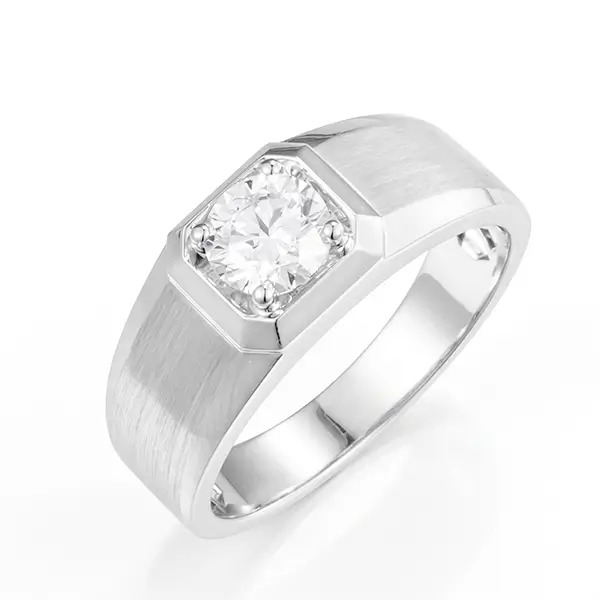
Core Material Characteristics and Manufacturing Differences of 10K, 14K and 18K Gold
Gold karat is defined by the pure gold content of the alloy, which directly determines the physical properties and production difficulty of 10K gold lab diamond rings, 14K gold lab grown rings, and 18K gold wholesale rings. As a factory with mature OEM and ODM production lines, we have summarized stable manufacturing standards for three karat gold materials to meet the differentiated customization and bulk ordering needs of lab grown diamond ring companies worldwide.
10K gold contains 41.7% pure gold, with the highest proportion of alloy components among the three materials. The high alloy ratio significantly improves the metal’s hardness and structural stability, making it not easy to deform or bend during mass production and daily wearing. The rigorous alloy formula also enhances the scratch resistance of the finished rings, which perfectly meets the production requirements of durable wholesale gold rings. In the manufacturing process, 10K gold has strong moldability, low defective rate of setting process, and stable inlay firmness for lab-grown diamonds, effectively avoiding stone loosening and falling off caused by metal deformation.
14K gold with 58.3% pure gold is the most balanced material in the jewelry wholesale industry. It retains moderate gold luster and color saturation while maintaining excellent hardness and toughness. Its physical properties perfectly balance production operability and product durability, making it the mainstream choice for most bulk orders. Whether it is classic engagement ring styles, daily casual rings, or festive gift rings, 14K gold can achieve stable production and high-quality finished products, covering most mid-market wholesale demands.
18K gold contains 75% pure gold, featuring soft metal texture and rich, full gold color. It has superior color presentation and high-end texture, which is irreplaceable for high-end customized and luxury jewelry. However, due to its soft characteristics, the production process of 18K gold rings is more stringent. The diamond setting process requires higher precision craftsmanship to prevent metal deformation and stone displacement. The complex manufacturing process and high raw material cost also make it more suitable for high-end customized bulk orders rather than mass low-end wholesale products.
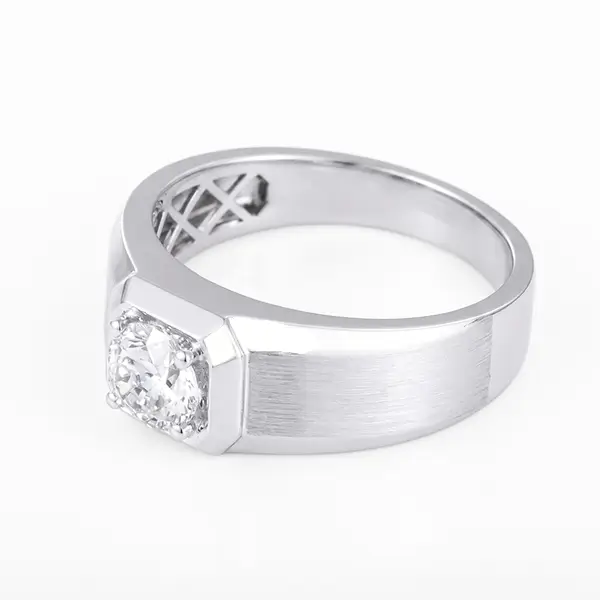
Cost Analysis and Wholesale Pricing Strategy for Different Karat Gold Rings
Cost control is the core demand of all bulk buyers, and cost of karat gold jewelry directly determines the profit margin and inventory cost of wholesale products. From the perspective of raw material procurement and factory production costs, the three karat golds form a clear hierarchical pricing system, which helps buyers formulate differentiated product layouts.
10K gold has the lowest pure gold content, so its raw material procurement cost is the lowest. For large-volume bulk orders, 10K gold can reduce the overall material cost by 20% to 30% compared with 14K gold and nearly 50% compared with 18K gold. The low material threshold makes bulk lab grown diamond rings with 10K gold substrates have ultra-high cost performance, extremely low inventory pressure, and fast capital turnover. It is very suitable for entry-level market layout, daily wear jewelry sales, and large-scale retail channel stocking.
14K gold occupies the mid-cost range with stable cost fluctuation. Its comprehensive cost performance is the highest in the wholesale market. The moderate raw material price will not cause excessive inventory capital occupation, and the product quality and appearance can meet the mainstream consumer aesthetic and wearing needs. For most medium-sized retailers and jewelry brands, 14K gold wholesale rings can balance sales volume and profit margin, becoming the core pillar of store revenue.
18K gold has the highest raw material cost and processing cost. The high pure gold content leads to high unit price of finished products, and the refined production process further increases the factory processing fee. Therefore, 18K gold lab-grown diamond rings are positioned in the high-end wholesale market, suitable for small-batch and high-margin customized orders. Although the inventory cost is high, its high-end positioning can bring higher brand premium and unit profit for buyers.
Market Positioning and Target Customer Groups of Differentiated Products
Reasonable material matching based on market positioning is the key to improving wholesale sales volume. As a manufacturer, we recommend buyers to match corresponding gold karat materials according to consumer groups and sales scenarios, focusing on the application of gold karat for jewelry wholesale and gold karat for engagement rings to achieve precise market coverage.
10K gold lab-grown diamond rings are mainly positioned in the affordable mass market, targeting young consumer groups, daily casual wear scenarios, and gift-giving markets with high cost performance requirements. Relying on excellent durability and low wholesale price, these products are very popular in fast fashion jewelry retail, online cross-border e-commerce, and supermarket jewelry counters. They are the best choice for buyers to expand low-end market share and increase product sales volume.
14K gold is the preferred material for mainstream wholesale lab grown diamond rings, especially suitable for engagement rings, wedding rings, and commemorative jewelry. Its moderate luster, stable quality, and reasonable price can meet the rigid consumption needs of marriage and commemoration. It covers the widest range of consumer groups and is the most competitive product in the mid-end wholesale market, helping buyers stabilize mainstream market share.
18K gold wholesale rings are positioned in the high-end luxury market, targeting high-income consumer groups, high-end wedding customization, brand boutique sales, and high-value gift scenarios. The luxurious color and high-quality texture of 18K gold can highlight the premium attribute of jewelry, suitable for high-end jewelry brands and customized jewelry stores to create high-margin product lines and enhance brand grade.
Customization Advantages and Factory Service Support
In addition to standardized finished ring wholesale, personalized customization has become an important profit growth point in the current jewelry industry. Our factory supports full-process customization of three karat gold materials to meet the diverse needs of global buyers for custom lab diamond ring products.
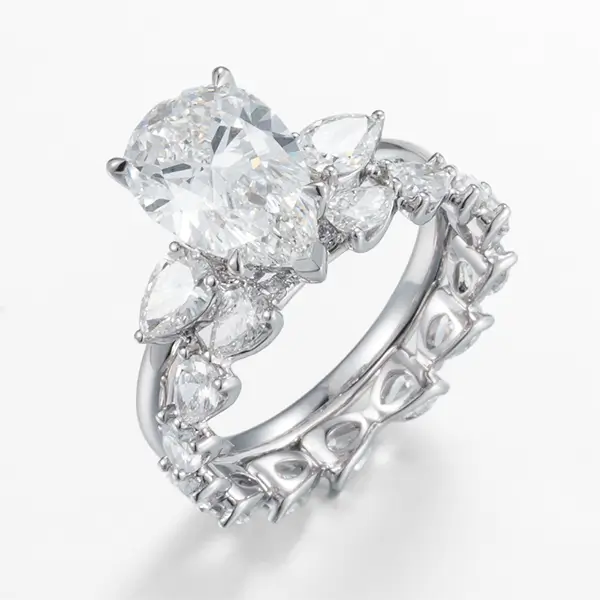
For customized orders, 10K gold supports personalized carving, size adjustment, and simple style modification, with low customization cost and short delivery cycle, suitable for mass personalized customized bulk orders. 14K gold has strong style adaptability, which can meet various classic and trendy design customization needs, and the finished products have stable quality and high customer satisfaction. 18K gold supports high-precision complex design customization, inlay of large carat lab-grown diamonds, and high-end craft processing, which can create exclusive high-end customized jewelry for buyers’ brand customers.
As a professional manufacturer, we provide unified quality inspection, certificate matching, and packaging supporting services for all wholesale customized products. No matter which karat gold material is selected, we can ensure that the finished products meet international jewelry standards, help buyers reduce after-sales risks, and improve market competitiveness.
Conclusion
In the wholesale market of lab-grown diamond rings, 10K, 14K, and 18K gold materials have their own unique advantages and applicable scenarios. 10K gold focuses on cost performance and durability, suitable for mass low-end wholesale and fast sales; 14K gold balances quality, cost and appearance, dominating the mainstream mid-end market and engagement jewelry field; 18K gold highlights high-end texture, suitable for high-margin luxury customization and boutique sales. For wholesale buyers, reasonable collocation of three karat gold products according to their own market positioning, customer groups and budget can effectively optimize inventory structure, control operating costs, and maximize sales profits. As a reliable manufacturing supplier, we always provide standardized finished products and personalized customized solutions to help global jewelry buyers achieve stable and long-term market operation.